Cooking Tips Every Beginner Should Know: A Complete Guide to Mastering the Kitchen
Cooking can feel intimidating when you’re just starting out. Between unfamiliar ingredients, confusing measurements, and the fear of ruining a meal, it’s easy to feel overwhelmed. However, with the right guidance, even a complete beginner can develop confidence in the kitchen. Over years of cooking, experimenting with recipes, and teaching others, I’ve identified essential cooking tips every beginner should know that can transform the way you approach food.
This guide goes beyond basic advice. It’s designed to give you practical, experience-based strategies, explain why they work, and show you how to apply them. By the end, you’ll not only understand the fundamentals but also gain insights that will help you create delicious meals with ease.
Why Cooking Skills Matter for Beginners
Learning to cook is more than a life skill—it’s an investment in health, creativity, and self-sufficiency. Beginners often underestimate the benefits of preparing meals at home. Not only does cooking at home save money, but it also gives you complete control over ingredients, portion sizes, and flavors.
In a world dominated by takeout and pre-packaged meals, mastering basic techniques allows you to create fresh, wholesome food from scratch. These cooking tips every beginner should know help eliminate common mistakes, reduce kitchen stress, and make the process enjoyable rather than overwhelming.
Essential Cooking Tips Every Beginner Should Know
1. Understand Your Ingredients
The first step in mastering cooking is understanding your ingredients. Knowing how different proteins, vegetables, and spices behave under heat is critical. For example, chicken breast cooks quickly and can dry out if overcooked, while tougher cuts of beef benefit from slow cooking.
Vegetables also vary. Leafy greens wilt rapidly, while root vegetables like carrots and potatoes require longer cooking times. By understanding the characteristics of your ingredients, you can prevent common mishaps like soggy vegetables, undercooked meat, or overpowering flavors.
Additionally, exploring herbs and spices transforms a simple dish into something flavorful. Garlic, rosemary, paprika, and cumin are staples that can elevate your cooking without complicated techniques.
2. Master Knife Skills
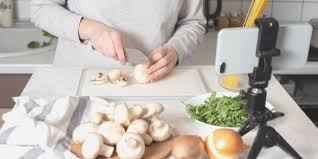
A lot of beginners underestimate how much knife skills impact efficiency and safety in the kitchen. Proper cutting techniques make cooking faster and more enjoyable while ensuring uniform cooking. Unevenly cut pieces of meat or vegetables can lead to inconsistent textures and undercooked or overcooked elements in your dish.
Start with the basics: learn how to hold a knife correctly, practice the claw grip to protect your fingers, and focus on consistent chopping. Over time, these habits become second nature and make a world of difference, especially when following more complex recipes.
3. Learn to Read Recipes Effectively
Reading recipes is an art in itself. Beginners often make the mistake of jumping in without reading the entire instructions, leading to mistakes or missed steps. Before you start cooking, read the recipe thoroughly, understand the techniques required, and ensure you have all necessary ingredients and tools.
Pay attention to cooking times, temperatures, and order of steps. Recipes are often structured to balance flavors, cooking methods, and timing, so following them carefully is essential. Over time, as you become more experienced, you’ll be able to improvise and adapt recipes while maintaining their integrity.
4. Timing is Everything
One of the most overlooked cooking tips every beginner should know is the importance of timing. Knowing when to start each component of a dish ensures everything is cooked properly and served hot.
For example, when preparing a meal with roasted vegetables and pan-seared chicken, it’s essential to begin roasting the vegetables first, as they typically take longer to cook than the chicken. Similarly, sauces should often be prepared while the main ingredients cook to ensure freshness and flavor. Timing mastery comes with practice but is key to producing meals that impress both in taste and presentation.
5. Don’t Fear Heat
Heat is your friend in cooking, but beginners often misuse it. Too low, and you risk soggy or undercooked food; too high, and ingredients can burn quickly. Understanding your stovetop, oven, or grill and learning the appropriate heat settings for different foods is essential.
Searing meat, for instance, requires high heat to develop flavor, while simmering soups or sauces benefits from a gentler touch. Over time, you’ll develop intuition for heat control, which is one of the most transformative skills in the kitchen.
6. Taste as You Go
One of the simplest yet most powerful cooking tips every beginner should know is tasting your food throughout the cooking process. This helps you adjust seasoning, acidity, or sweetness and ensures the final dish is balanced.
Relying solely on the end result can lead to bland or over-seasoned meals. A quick taste test allows for adjustments, helping you learn how flavors develop and interact. Salt, herbs, citrus, and acidity are tools that can be fine-tuned mid-cook to elevate your dishes.
7. Embrace the Power of Prep
Preparation is the unsung hero of cooking. Chopping vegetables, measuring spices, and marinating proteins before turning on the heat reduces stress and ensures smoother execution. Chefs call this “mise en place,” which is French for “everything in its place.”
For beginners, embracing prep work prevents last-minute mistakes and keeps you organized. It also helps you follow recipes more accurately, avoids overcooking, and makes the cooking process more enjoyable rather than frantic.
8. Use the Right Tools
Having the right kitchen tools makes cooking easier and more effective. A sharp chef’s knife, a sturdy cutting board, quality pans, and accurate measuring spoons are essential. While it’s tempting to buy the cheapest tools, investing in a few quality basics pays off in efficiency and durability.
A nonstick pan helps beginners cook eggs or delicate fish without sticking, while a heavy-bottomed pan ensures even heat distribution for sauces or meats. Simple equipment upgrades can dramatically improve results.
9. Learn Basic Cooking Techniques
Instead of memorizing countless recipes, focus on mastering core techniques. Sautéing, roasting, boiling, steaming, and grilling are foundational skills that apply to nearly any ingredient.
For instance, once you know how to sauté vegetables properly, you can adapt the technique for stir-fries, pasta dishes, or even breakfast hash. Mastering these fundamentals gives you confidence to experiment, improvise, and create your own recipes.
10. Don’t Fear Mistakes
Mistakes are inevitable, especially for beginners. Burnt onions, overcooked chicken, or a failed sauce are part of the learning process. The most important thing is to learn from each error and understand why it happened.
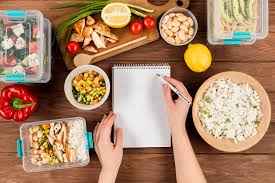
Keeping a cooking journal, noting measurements, timing, and flavor outcomes, can help you track progress. Over time, repeated practice turns mistakes into lessons, and confidence grows exponentially.
Advanced Cooking Tips for Beginners
Once you feel comfortable with the basics, there are advanced strategies to elevate your cooking:
- Layering Flavors: Use aromatics like garlic, onion, and herbs at different stages to build depth.
- Deglazing: After sautéing, adding wine, stock, or vinegar to the pan lifts caramelized flavors into sauces.
- Resting Meat: Allow cooked meats to rest for a few minutes before slicing to retain juices.
- Balancing Acidity: Lemon juice or vinegar can brighten heavy or rich dishes, improving overall taste.
Incorporating these techniques gradually allows beginners to move from following recipes to creating meals that impress on flavor, texture, and presentation.
Healthy Cooking Tips Every Beginner Should Know
Cooking isn’t just about taste; it’s also about nutrition. Beginners should focus on methods that preserve nutrients, such as steaming vegetables, roasting without excessive oil, or grilling proteins. Reducing processed ingredients and using fresh herbs and spices can enhance flavor without added sodium or sugar.
Learning to substitute ingredients thoughtfully is also valuable. Greek yogurt can replace cream in sauces, whole grains can replace refined grains, and vegetable-based pastas or zoodles add variety and nutrition without sacrificing satisfaction. These approaches allow beginners to cook health-conscious meals while developing skills that last a lifetime.
How to Build Confidence in the Kitchen
Confidence comes from practice and knowledge. Start with simple recipes that use few ingredients and straightforward techniques. Gradually increase complexity as you become more comfortable. Cooking with friends or family can also reduce pressure and make the learning process enjoyable.
Another useful strategy is repetition. Cooking the same recipe multiple times allows you to experiment with timing, seasoning, and technique, deepening understanding and intuition. Confidence grows when you know you can produce delicious, reliable results consistently.
Final Thoughts: Cooking is a Journey
Mastering the kitchen doesn’t happen overnight, but with the right guidance, it’s entirely achievable. These cooking tips every beginner should know provide a roadmap for developing skills, improving taste, and creating meals you can be proud of.
From understanding ingredients and mastering knife skills to embracing mistakes and experimenting with flavors, cooking becomes less intimidating and more rewarding. By investing time in learning these fundamentals, beginners can enjoy not only the practical benefits of home-cooked meals but also the creative joy that comes with preparing food from scratch.
Cooking is a journey—a combination of knowledge, intuition, and curiosity. Start simple, build confidence, and gradually expand your repertoire. With patience, practice, and the strategies outlined here, even a complete beginner can become a competent and confident home cook.