Food Safety Tips Everyone Should Follow: A Complete Guide to Safe Eating
In today’s fast-paced world, it’s easy to overlook food safety. Whether you’re cooking at home, ordering takeout, or storing leftovers, small mistakes in handling, preparation, or storage can lead to foodborne illness. As someone with years of experience in home cooking and a strong interest in health and nutrition, I’ve seen firsthand how following basic safety practices not only protects your health but also improves the overall quality of the food you eat.
This guide covers essential food safety tips everyone should follow, from handling raw ingredients and cooking proteins properly to storing leftovers and maintaining a hygienic kitchen. By understanding these principles and incorporating them into your daily routine, you can reduce the risk of contamination, ensure your meals are safe, and enjoy peace of mind at every meal.
Why Food Safety Matters
Food safety is about more than avoiding a stomach ache. According to global health statistics, millions of people experience foodborne illness each year, ranging from mild discomfort to serious infections that can require hospitalization. Common culprits include bacteria like Salmonella, E. coli, and Listeria, as well as viruses such as norovirus.
Following food safety tips everyone should follow is crucial because it prevents the growth and spread of harmful pathogens. In my experience, understanding the risks and learning practical strategies to mitigate them is far more effective than relying on luck or guesswork. Safe food handling not only protects your health but also enhances the longevity and quality of your ingredients, making meals taste fresher and last longer.
Food Safety Tips Everyone Should Follow: Core Principles
Keep Your Kitchen Clean
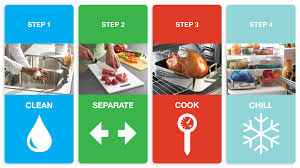
The first step to safe food handling is maintaining a hygienic environment. Countertops, cutting boards, utensils, and hands are all potential sources of cross-contamination. Washing surfaces and equipment with hot, soapy water after each use and sanitizing them periodically reduces the risk of bacteria transferring between foods.
I’ve found that keeping separate cutting boards for raw meat, vegetables, and cooked foods is one of the simplest yet most effective ways to prevent contamination. This small habit, while easy to implement, significantly lowers the risk of spreading harmful pathogens.
Wash Your Hands Thoroughly
Hand hygiene is a cornerstone of food safety. Before and after handling raw foods, especially meat, poultry, or seafood, wash your hands for at least 20 seconds with warm water and soap. Handwashing prevents bacteria from transferring to food, kitchen surfaces, and even your phone or other objects in the kitchen.
For those who cook frequently, I recommend using disposable paper towels for drying hands after washing or designated clean kitchen towels that are laundered regularly. This reduces the chance of reintroducing bacteria onto your hands or cooking surfaces.
Separate Raw and Cooked Foods
Cross-contamination occurs when bacteria from raw foods, particularly meat and seafood, come into contact with foods that are already cooked or ready to eat. One of the most important food safety tips everyone should follow is to store and prepare raw and cooked items separately.
At home, I keep raw proteins in clearly marked containers at the bottom of the fridge to prevent drips from contaminating other foods. Using separate knives and cutting boards for raw and cooked ingredients further minimizes risk. This approach is simple but highly effective.
Cook Foods to Safe Temperatures
Cooking foods to the proper temperature is crucial for killing harmful bacteria. Poultry should reach at least 75°C (165°F), ground meats 70°C (160°F), and fish at 63°C (145°F). Using a reliable food thermometer is the most accurate way to ensure your meals are fully cooked, as color and texture alone are not sufficient indicators of safety.
Overcooking can compromise taste, while undercooking poses a health risk. From experience, I’ve learned that a thermometer not only protects health but also builds confidence in cooking proteins perfectly, whether grilling, roasting, or pan-frying.
Store Foods Properly
Proper storage is essential for preventing bacterial growth and food spoilage. Refrigerators should be set at 4°C (40°F) or below, and freezers at -18°C (0°F) or lower. Perishable foods should not be left at room temperature for more than two hours—or just one hour if the ambient temperature exceeds 32°C (90°F).
I recommend labeling leftovers with dates to keep track of freshness. Organizing your fridge so that raw proteins are stored separately from ready-to-eat items, and using airtight containers, not only improves food safety but also reduces waste.
Thaw Foods Safely
Thawing frozen foods improperly is a common cause of foodborne illness. Foods should be defrosted in the fridge, in cold water, or in the microwave, never on the countertop. Slow, controlled thawing prevents bacteria from multiplying during the process.
In my experience, planning meals in advance allows for fridge thawing, which is the safest method. Cold water or microwave thawing is useful for last-minute meals but requires careful monitoring to ensure the food remains at safe temperatures.
Pay Attention to Expiration Dates
Food expiration dates are not just suggestions—they indicate the period during which food maintains optimal safety and quality. While some foods can last slightly beyond the printed date, consuming expired dairy, meat, or prepared items increases the risk of foodborne illness.
I personally recommend a rotation system in your pantry and fridge, where older items are placed at the front and newer purchases at the back. This minimizes waste while keeping your meals safe and fresh.
Practice Safe Food Handling During Shopping
Food safety begins before your kitchen. When grocery shopping, prioritize chilled and frozen foods, and check packaging for damage. Using insulated bags for transport, especially on hot days, prevents temperature-sensitive foods from entering the danger zone where bacteria thrive.
During shopping, avoid overcrowding your trolley with heavy items on top of perishable foods, and separate raw proteins in your bag to prevent leaks. Small habits like these make a substantial difference in reducing contamination risks.
Avoid Cross-Contamination from Utensils and Sponges
Kitchen utensils, sponges, and dishcloths can harbor harmful bacteria. Regularly sanitizing sponges and cloths, washing knives and cutting boards thoroughly, and replacing worn-out items keeps your kitchen safer.
From personal experience, I’ve found that keeping a separate sponge or brush for cleaning raw meat juices prevents cross-contamination with other dishes. This extra step adds minimal effort but significantly improves kitchen hygiene.
Be Mindful of Leftovers
Leftovers are convenient but require careful handling. Cool cooked food quickly—within two hours of cooking—before refrigerating. Reheat leftovers to at least 75°C (165°F) to ensure any bacteria are eliminated. Avoid reheating multiple times, as repeated cooling and heating increases risk.
I recommend dividing large portions into smaller containers for quicker cooling and easier reheating. This simple habit ensures leftovers remain safe while still convenient for quick meals.
Practice Safe Food at Outdoor Events
Foodborne illness can happen anywhere, including picnics or barbecues. Keep cold foods chilled in coolers with ice packs, cook proteins thoroughly, and avoid leaving perishable items out in the sun. Even small lapses in temperature control can allow bacteria to multiply rapidly.
I’ve found that preparing items in advance, packing them properly, and maintaining a separate area for raw and cooked foods at outdoor gatherings ensures safety without compromising convenience or enjoyment.
Advanced Food Safety Tips Everyone Should Follow
Understand High-Risk Foods
Certain foods are more prone to bacterial contamination, including raw eggs, undercooked seafood, unpasteurized dairy, and deli meats. Awareness of these risks allows you to handle and prepare these items more carefully. For example, using pasteurized eggs in recipes that aren’t cooked thoroughly reduces the risk of Salmonella.
Be Wary of Cross-Contact for Allergens
Food safety isn’t just about bacteria—it also includes preventing allergen exposure. Using separate utensils and surfaces for allergen-free meals is essential for anyone cooking for individuals with food allergies. Even trace contamination can cause serious reactions.
Keep Your Fridge Organized and Clean
A well-organized fridge improves food safety. Store raw meats at the bottom, ready-to-eat items at eye level, and frequently check for spoiled items. Regular cleaning with hot, soapy water prevents mold, bacteria, and unpleasant odors from spreading.
Monitor Temperature with Reliable Tools
Investing in fridge and freezer thermometers helps ensure that food remains at safe temperatures. Even slight fluctuations can allow bacteria to grow, so consistent monitoring is an important step often overlooked by home cooks.
Educate Household Members
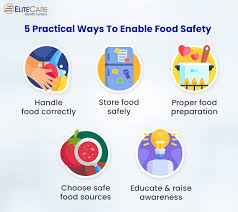
Food safety is a shared responsibility. Educating family members or roommates about proper food handling, storage, and hygiene practices ensures a safer kitchen environment for everyone. I’ve found that even small reminders, like washing hands before cooking, dramatically reduce the risk of cross-contamination.
Common Food Safety Mistakes to Avoid
Many people unintentionally compromise food safety through habits like leaving perishable foods on the counter, using the same cutting board for raw and cooked foods, or undercooking meat. Awareness and prevention are key.
I’ve personally learned that making food safety a habit, rather than a chore, transforms these practices from occasional reminders into automatic behaviors. Over time, you build a kitchen environment where safe cooking is seamless and stress-free.
The Benefits of Following Food Safety Practices
Adhering to these food safety tips everyone should follow has numerous benefits. Beyond preventing illness, it improves food quality, extends shelf life, and even enhances flavor. Meals prepared with care are more enjoyable, and the peace of mind knowing your food is safe reduces stress during meal prep.
By integrating these habits into daily life, you create a healthier, cleaner, and more efficient kitchen. From personal experience, the effort required is minimal compared to the potential consequences of neglecting food safety.
Conclusion: Food Safety Tips Everyone Should Follow
Food safety is an essential aspect of cooking and eating that cannot be overlooked. By maintaining cleanliness, handling ingredients carefully, cooking to the proper temperatures, storing foods correctly, and staying vigilant about cross-contamination, you can drastically reduce the risk of foodborne illness.
From my years of experience, the most effective approach is consistency. Small, everyday actions—like washing hands, using separate cutting boards, and monitoring fridge temperatures—add up to a safe and hygienic kitchen environment. Following these food safety tips everyone should follow ensures not only the health and wellbeing of yourself and your family but also enhances the enjoyment and quality of your meals.
By incorporating these principles into your routine, food safety becomes second nature, allowing you to focus on creativity, flavour, and the joy of cooking, knowing that every meal is both delicious and safe.