How to Meal Prep for the Week: A Comprehensive Guide for Busy Lifestyles
Meal prepping has become a cornerstone for anyone looking to save time, eat healthier, and reduce stress during the week. Yet, many people struggle with the process, often asking, “How do I meal prep effectively?” or “How can I make it sustainable?” From my personal experience managing a busy lifestyle while maintaining a nutritious diet, I can confidently say that meal prepping is not just a trend—it’s a practical solution that, when done thoughtfully, transforms how you approach food. In this comprehensive guide, we’ll explore how to meal prep for the week, from planning and shopping to cooking, storing, and reheating meals, while addressing common pitfalls and sharing expert tips for success.
Understanding the Benefits of Meal Prepping
Before diving into the mechanics, it’s important to understand why meal prepping works. Meal prepping saves time by consolidating cooking into one or two sessions, leaving your weekdays free from constant kitchen duties. It encourages healthier eating because having ready-to-eat meals reduces the temptation to order takeout or snack on processed foods.
From a financial perspective, prepping meals can significantly reduce food waste and unnecessary purchases. When you plan meals in advance, you buy only what you need, minimizing excess. I’ve personally found that a consistent meal prep routine cuts grocery costs by 20–30% per month, simply by avoiding impulse buys.
Additionally, meal prepping supports dietary goals. Whether your objective is weight management, muscle gain, or simply eating more vegetables, having pre-portioned meals ensures consistency. This level of control over portion sizes and ingredients is difficult to achieve when cooking spontaneously each day.
Step 1: Planning Your Meals
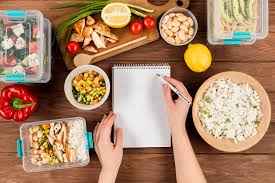
The first and arguably most important step in learning how to meal prep for the week is meal planning. Planning determines what ingredients you’ll buy, how much time you’ll spend cooking, and how balanced your meals will be.
Start by assessing your week. Consider your schedule: which days will you need quick lunches, which nights allow for fresh cooking, and whether you’ll need snacks or breakfasts on the go. Understanding these needs helps you plan meals that fit seamlessly into your routine.
Next, focus on variety. Repetition can make meals monotonous, which often leads to abandoning meal prep entirely. Rotate proteins, vegetables, and grains throughout the week. For example, one day could feature chicken with roasted vegetables, while another features lentils with quinoa and sautéed greens.
When planning, also consider nutrition. Include a balance of macronutrients: protein for satiety and muscle repair, complex carbohydrates for energy, and healthy fats for brain function and hormonal support. Don’t forget fiber-rich vegetables and fruits, which aid digestion and promote long-term health.
Step 2: Creating a Grocery List
A well-organized grocery list is the backbone of successful meal prep. After planning meals, list all ingredients by category: proteins, vegetables, grains, fruits, and pantry staples. This approach saves time in-store and reduces the risk of forgetting essential items.
Consider batch ingredients that can serve multiple meals. For example, roasted chicken can be used in salads, wraps, or rice bowls. Similarly, grains like brown rice or quinoa can act as bases for multiple dishes, ensuring efficient use of both ingredients and cooking time.
I’ve found that checking your pantry before shopping also helps prevent unnecessary purchases. You might already have spices, oils, or canned goods that can be incorporated into your prep, reducing cost and waste.
Step 3: Choosing the Right Containers
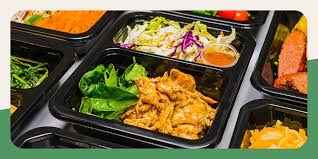
Proper storage is crucial for meal prep success. Invest in high-quality containers that are airtight, microwave-safe, and durable. Glass containers are ideal for long-term storage because they don’t stain, retain flavors, or leach chemicals into food.
Compartmentalized containers are excellent for keeping foods separate, preventing soggy meals. For salads, consider stacking ingredients strategically—dressing at the bottom, sturdy vegetables next, and delicate greens on top—to maintain freshness until ready to eat.
Labels can also be a game-changer. Writing the date and meal type on containers ensures that you consume food while fresh and rotate meals effectively. In my experience, labeling eliminated the guesswork and helped me stick to my meal plan consistently.
Step 4: Cooking Efficiently
When it comes to how to meal prep for the week, cooking efficiently is key. Batch cooking is your best friend. Prepare large portions of proteins, grains, and vegetables simultaneously, then portion them into containers for the week.
Consider cooking methods that save time and enhance flavor. Roasting vegetables in the oven, grilling proteins, or using a slow cooker can streamline the process. For grains, a rice cooker or instant pot allows hands-off cooking, freeing you to focus on other components.
Timing is also important. Start with items that take longer to cook, such as roasting sweet potatoes or cooking beans, while quicker items like sautéed greens or stir-fried vegetables can be prepared last. In my experience, creating a cooking “workflow” reduces kitchen stress and shortens total prep time significantly.
Step 5: Portioning and Storing Meals
Portioning is more than convenience; it helps with calorie control and prevents overeating. Use a food scale or measuring cups to ensure consistency, especially if you are tracking macros or calories.
Proper storage techniques extend the life of your meals. Refrigerated meals typically last 3–5 days, while freezer-safe meals can last up to a month. Consider freezing proteins separately from vegetables when possible, as some vegetables may lose texture when thawed.
I recommend storing meals in the order you plan to eat them. For example, meals intended for Monday should be on top of the fridge or freezer, making access easy and reducing the chance of forgotten containers.
Step 6: Reheating and Serving
Reheating is a critical step that often gets overlooked. To maintain texture and flavor, reheat meals gently. Microwave-safe containers are convenient, but adding a splash of water or oil can prevent dryness. Oven reheating works well for roasted vegetables or casseroles, preserving crispness and flavor.
When serving, add fresh touches. A squeeze of lemon, fresh herbs, or a drizzle of olive oil can elevate prepped meals, keeping them interesting throughout the week. I’ve found that these small additions make the difference between enjoying meal prep and feeling like I’m eating leftovers.
Meal Prep Ideas and Inspiration
Variety is key to sustaining a meal prep routine. Here are some popular meal prep concepts that balance nutrition, convenience, and flavor:
Breakfast Prep Ideas
Overnight oats, chia seed pudding, and egg muffins are all excellent options. These meals can be pre-portioned into jars or containers, ready for quick mornings. Incorporating fruits, nuts, and seeds provides both flavor and nutritional density.
Lunch and Dinner Prep Ideas
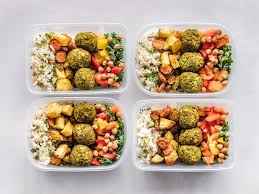
Grain bowls with protein, roasted vegetables, and a healthy fat source are versatile. Salads with chickpeas or tofu, pasta with vegetable marinara, and stir-fry meals with brown rice or noodles are also convenient and satisfying. Using sauces sparingly and storing them separately can maintain freshness.
Snack Prep Ideas
Snack prep is often overlooked, but having portioned nuts, cut vegetables, hummus, or protein balls ready prevents reaching for processed foods. These snacks maintain energy levels and reduce the temptation of unhealthy options.
Common Meal Prep Mistakes and How to Avoid Them
Even experienced meal preppers encounter challenges. One common mistake is overcomplicating meals. Complex recipes can make prep overwhelming and unsustainable. Keep meals simple and repeatable to maintain consistency.
Another pitfall is neglecting variety. Eating the same meals repeatedly can lead to boredom and eventual abandonment of your prep routine. Rotating proteins, grains, and vegetables ensures both nutrition and enjoyment.
Additionally, failing to plan for perishables can lead to food waste. Know which ingredients last in the fridge and which are best frozen. Personally, freezing sauces, cooked grains, and proteins separately has saved both money and food.
Meal Prep for Different Dietary Needs
Meal prep can be adapted to accommodate a range of dietary preferences. Vegan meal prep might focus on legumes, tofu, tempeh, and whole grains. Low-carb prep could include cauliflower rice, zucchini noodles, and high-protein meats. Balanced prep, suitable for families or general health goals, should incorporate a mix of macronutrients, fiber, and micronutrients.
I’ve found that tailoring prep to specific dietary needs not only ensures nutritional adequacy but also increases the likelihood of sticking to the meal plan. It eliminates decision fatigue and makes each meal satisfying both physically and mentally.
Tools and Techniques to Streamline Meal Prep
Efficiency is enhanced by the right tools. A quality chef’s knife, cutting board, food processor, and instant pot or slow cooker can cut prep time dramatically. Investing in storage containers of varying sizes also helps organize meals and reduce clutter.
Batch cooking techniques such as sheet pan meals, one-pot dishes, and casseroles save time and minimize cleanup. Labeling and stacking containers strategically ensures easy access throughout the week, making meal prep feel seamless rather than burdensome.
Maintaining Motivation and Consistency
Consistency is the key to meal prep success. Set aside a dedicated time each week for planning, shopping, and cooking. Treat it like an appointment—one that prioritizes your health and well-being.
In my experience, starting small is better than attempting a full week of prep immediately. Begin with lunches or breakfasts, then expand to dinners and snacks once the routine feels manageable. Tracking progress, noting favorite recipes, and experimenting with new flavors keeps the process engaging and sustainable.
Conclusion: How to Meal Prep for the Week Successfully
Learning how to meal prep for the week is not just about cooking in advance; it’s about creating a system that saves time, reduces stress, and promotes healthier eating habits. Planning meals, organizing a precise grocery list, batch cooking efficiently, and using proper storage techniques are essential components of successful meal prep.
Consistency, variety, and mindful preparation turn meal prep into a lifestyle rather than a chore. By adopting these strategies, anyone—from busy professionals to students and families—can transform their week, enjoy nutritious meals, and reclaim time without sacrificing quality or flavor.
Meal prepping is ultimately about empowerment: taking control of your food choices, minimizing waste, and ensuring that every meal you eat contributes to your health, productivity, and overall well-being. With practice, how to meal prep for the week becomes second nature, allowing you to navigate busy schedules while maintaining a balanced, delicious, and sustainable diet.