How to Store Food Properly to Avoid Waste: A Comprehensive Guide
Food waste is a challenge that affects households, budgets, and the environment. According to recent studies, nearly one-third of all food produced globally is wasted, while millions of people struggle with food insecurity. Over the years, I’ve learned through personal experience, trial and error, and research that proper food storage is one of the simplest yet most impactful ways to reduce waste, save money, and maintain the freshness and nutritional value of your groceries.
In this guide, I’ll share in-depth insights on how to store food properly to avoid waste, covering everything from fruits and vegetables to meats, dairy, pantry staples, and leftovers. By applying these strategies, you can extend the life of your groceries, improve meal planning efficiency, and contribute to a more sustainable lifestyle.
Why Proper Food Storage Matters
Understanding how to store food properly to avoid waste goes beyond keeping your meals fresh. It preserves nutrients, prevents spoilage, and minimizes the risk of foodborne illnesses. I’ve personally noticed that small mistakes in storage—like leaving lettuce in a damp bag or keeping bread in a warm cabinet—can dramatically shorten shelf life and lead to frustration.
Proper storage also saves money. According to my household records, thoughtful food storage reduced our grocery waste by nearly 20% in a year, which translated into hundreds of dollars saved. Additionally, it supports sustainability by reducing the amount of organic waste sent to landfills, where decomposing food contributes to greenhouse gas emissions.
The Basics of Food Storage
Before diving into specific foods, it’s essential to understand the basic principles of storage. Temperature, moisture, light, and airflow are the primary factors that influence food longevity. Cold-sensitive foods like dairy, meat, and fresh produce should be stored in the refrigerator or freezer, while dry staples like rice, pasta, and flour require a cool, dark, and dry environment.
Containers also play a crucial role. I’ve found that using airtight containers, glass jars, or vacuum-sealed bags helps prevent spoilage, keeps flavors intact, and reduces cross-contamination. Labeling containers with purchase or expiration dates adds an extra layer of organization and ensures you use older items first.
Storing Fruits and Vegetables
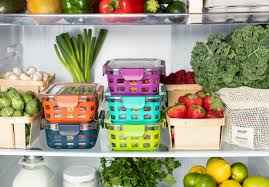
Fruits and vegetables are often the first items to spoil in the kitchen, but proper storage can significantly extend their life. The key is understanding which produce thrives in refrigeration and which fares better at room temperature.
Apples, for example, stay fresher in the fridge, while bananas ripen better on the counter. Leafy greens should be washed, dried thoroughly, and stored in breathable containers with paper towels to absorb excess moisture. I discovered that this simple trick keeps spinach, kale, and lettuce crisp for up to a week longer than just leaving them in their store packaging.
Tomatoes are another common source of confusion. Keeping them at room temperature preserves flavor and texture, but refrigeration can lead to a mealy texture and diminished taste. Meanwhile, root vegetables like carrots, potatoes, and onions benefit from cool, dark storage, with onions and potatoes kept separately to avoid premature sprouting.
Proper Storage for Meat and Seafood
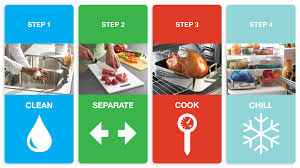
Meat and seafood are among the most perishable items in the kitchen, so understanding how to store food properly to avoid waste is critical. Fresh meat should be kept in its original packaging and placed on the coldest shelf of the refrigerator. I’ve found that freezing meat immediately if it won’t be used within a few days prevents spoilage and maintains quality.
Seafood requires similar attention. Shrimp, fish, and shellfish should ideally be consumed within one to two days of purchase or frozen if not used immediately. I learned that vacuum-sealing seafood before freezing not only prevents freezer burn but also preserves the delicate flavors and textures that often degrade when stored improperly.
Cooked meats should be cooled to room temperature, stored in airtight containers, and consumed within three to four days. Labeling leftovers with the date is essential to avoid accidental spoilage.
Dairy Storage Tips
Dairy products are nutrient-dense but perishable. Milk, cheese, yogurt, and butter require consistent cold storage to remain safe and fresh. I’ve personally seen that storing milk at the back of the refrigerator rather than the door—where temperatures fluctuate—extends its shelf life by several days.
Cheese deserves special attention. Hard cheeses can last longer when wrapped in wax paper and stored in airtight containers, while soft cheeses like brie or ricotta should be kept in their original containers or tightly sealed to prevent drying out and absorbing other flavors. Yogurt and cream products benefit from consistent refrigeration and careful observation of “use by” dates.
Pantry Staples and Dry Goods
Non-perishable items like grains, beans, pasta, and flour often get overlooked, yet improper storage can lead to spoilage or infestations. I’ve learned that storing these staples in airtight containers, away from heat and sunlight, dramatically increases shelf life.
For flour and whole grains, freezing for a few days after purchase can kill potential insect eggs, ensuring your pantry stays clean. Spices also benefit from airtight, dark storage, as light and heat degrade both flavor and potency. Nuts and seeds, rich in oils, are particularly sensitive and should be refrigerated or frozen to prevent rancidity.
Freezing Foods to Maximize Longevity
Freezing is one of the most effective methods to preserve both freshness and nutritional value. I’ve relied on freezing as a strategy to reduce waste, especially for seasonal fruits, meats, and prepared meals. However, proper techniques are essential.
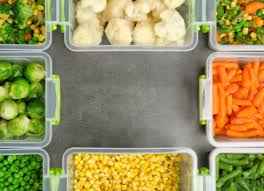
Vegetables should be blanched briefly before freezing to maintain color, texture, and vitamins. Fruits can be frozen whole or sliced, with a light dusting of sugar to prevent sticking for certain varieties. For meats, using vacuum-sealed bags or wrapping tightly in plastic wrap and aluminum foil prevents freezer burn, which can compromise flavor and texture.
Even leftovers like soups, stews, and casseroles can be frozen in portion-sized containers for convenient future meals. Freezing doesn’t just reduce waste—it also saves time, as pre-portioned meals can be reheated quickly for busy weeknights.
Leftover Management: A Key Step
Proper leftover management is a critical aspect of learning how to store food properly to avoid waste. I’ve found that one of the biggest culprits of household waste is neglected leftovers, often because they weren’t stored correctly or simply forgotten.
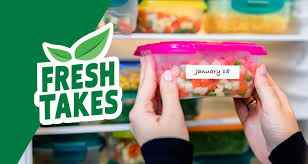
Cool food to room temperature before refrigerating to prevent condensation and bacterial growth. Store portions in clear, airtight containers and label them with the date. Organizing leftovers at eye level in the fridge ensures they’re visible and more likely to be consumed promptly. Rotating older leftovers to the front helps maintain a first-in, first-out system, reducing accidental spoilage.
Storing Herbs and Fresh Produce
Fresh herbs are notoriously short-lived, but proper storage can extend their usability. I’ve experimented with multiple methods and discovered that most leafy herbs—like parsley, cilantro, and basil—stay fresh longer when stored in a jar of water, covered loosely with a plastic bag, and kept in the fridge.
Other herbs like rosemary and thyme benefit from being wrapped in damp paper towels and stored in an airtight container. Green onions, celery, and carrots can also last longer when placed upright in water or in breathable storage bags. These simple steps significantly reduce waste and make it easier to add fresh flavors to meals without rushing to use ingredients before they spoil.
Practical Tips for Smart Grocery Shopping
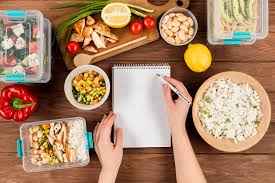
Proper storage begins before the food even enters your home. Planning, smart shopping, and mindful purchasing all contribute to reducing waste. I’ve learned that creating a grocery list based on weekly meal plans helps prevent overbuying perishable items.
Buying in smaller quantities for high-turnover items and freezing extras is an effective strategy. For example, purchasing meat in bulk and portioning it before freezing ensures freshness and prevents spoilage. Similarly, choosing frozen fruits and vegetables for smoothies or baking can reduce the pressure to consume fresh produce immediately while maintaining nutritional value.
Environmental and Financial Benefits
Learning how to store food properly to avoid waste has broader benefits beyond personal convenience. Reducing food waste decreases the volume of organic matter in landfills, which in turn reduces methane emissions—a potent greenhouse gas.
Financially, proper storage translates directly to savings. By extending the lifespan of groceries, I’ve noticed a significant reduction in my monthly food bills. Households that prioritize smart storage techniques not only enjoy fresher meals but also minimize unnecessary spending, making it a win-win approach.
Common Mistakes to Avoid
Even with the best intentions, mistakes happen. I’ve seen several recurring issues in both my kitchen and others’ that lead to premature spoilage:
Leaving perishable items at room temperature for extended periods, storing foods in the wrong part of the fridge, neglecting to label leftovers, and overcrowding storage containers are all common errors. Recognizing these pitfalls and implementing corrective strategies ensures that your efforts in proper storage are effective and long-lasting.
Conclusion
Mastering how to store food properly to avoid waste is both an art and a science. It requires understanding the unique needs of each type of food, maintaining optimal conditions, and implementing practical strategies in everyday life. From fruits and vegetables to meats, dairy, pantry staples, and leftovers, careful storage preserves flavor, nutrients, and shelf life while saving money and reducing environmental impact.
By adopting the principles outlined in this guide, you can create a more efficient, organized kitchen, enjoy fresher meals, and significantly cut down on household food waste. Over time, these practices become second nature, helping you eat better, spend smarter, and contribute to a more sustainable food system—all without compromising convenience or taste.