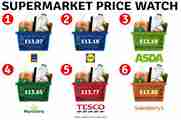
UK Supermarket Food Comparison (Tesco vs Aldi etc.): A Complete Guide for Savvy Shoppers
Supermarkets in the UK are more than just places to pick up groceries—they are battlegrounds of price, quality, and variety. With brands like Tesco, Aldi, Sainsbury’s, and Lidl vying for consumer attention, making informed decisions about where to shop has never been more important. As someone who has spent years comparing products, testing brands, and tracking value-for-money, I can confidently say that understanding the nuances of UK supermarket food comparison (Tesco vs Aldi etc.) can transform your shopping experience, save you money, and even improve the quality of your meals.
In this comprehensive guide, we’ll dive into the differences between the leading supermarkets, examine pricing strategies, explore product quality, and provide actionable insights to help you make smarter shopping choices.
Why a UK Supermarket Food Comparison Matters
At first glance, supermarkets may seem similar—they all sell bread, milk, and basic staples. However, the reality is more complex. Pricing, product range, ethical sourcing, and quality standards vary widely, which can significantly impact both your wallet and your diet.
A UK supermarket food comparison (Tesco vs Aldi etc.) matters because consumers today are more discerning. Many are balancing budgets with nutritional needs, ethical concerns, and convenience. For example, Tesco may offer premium options with wider variety, while Aldi focuses on affordability without compromising surprisingly on quality. Understanding these differences allows you to optimize your shopping strategy rather than sticking to a single supermarket out of habit.
Tesco vs Aldi: Price and Value
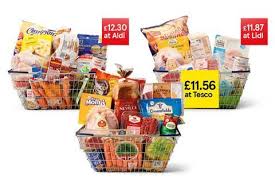
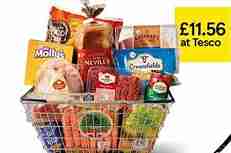
One of the first factors most shoppers consider is cost. Tesco, the largest supermarket chain in the UK, is known for its extensive product range, including premium lines like Tesco Finest. This offers variety but often comes at a higher price point. Tesco also offers Clubcard discounts, multi-buy promotions, and loyalty points, which can help offset costs for regular shoppers.
Aldi, on the other hand, has disrupted the market by combining low prices with surprisingly good quality. Their streamlined product range focuses on essentials, and private-label goods dominate the shelves. This allows Aldi to cut costs and pass the savings directly to the consumer. Despite a smaller store format, Aldi frequently wins taste tests against higher-priced competitors, making it a strong contender in the UK supermarket food comparison (Tesco vs Aldi etc.) conversation.
Sainsbury’s and Lidl also fit into this spectrum. Sainsbury’s tends to position itself in the middle, offering quality items at moderate prices, while Lidl, much like Aldi, emphasizes value with a limited but high-quality selection of products. Understanding the price structures and promotions at each chain helps shoppers maximize value for money without sacrificing quality.
Product Quality and Range
Price is only half the story. Quality and range are critical in any UK supermarket food comparison (Tesco vs Aldi etc.). Tesco boasts one of the widest selections in the UK, catering to niche dietary needs such as gluten-free, vegan, and organic products. Aldi, though smaller in range, often excels in freshness and taste. Many of their fresh produce, meats, and dairy items perform exceptionally well in independent taste tests, sometimes even beating Tesco in terms of flavor and quality.
When it comes to variety, Tesco’s advantage is clear. You can find specialty cheeses, international ingredients, and an extensive bakery section. Aldi focuses on core essentials and rotating special buys, known as ‘Aldi Finds’, which offer a sense of discovery but limited long-term availability. This contrast highlights the importance of balancing selection with value depending on your priorities.
Fresh Produce and Meat
Fresh produce and meat are often the make-or-break categories for shoppers. Tesco generally maintains consistent quality, with premium and standard options to suit different budgets. Aldi has made significant strides in fresh produce, often sourcing local or seasonal items that rival more expensive supermarkets in taste and presentation.
Meat quality is another area where Aldi surprises many shoppers. Their private-label cuts often come with clear labeling and high standards, offering excellent value for price. Tesco provides a wider range, including specialty meats, organic options, and ready-to-cook items, catering to consumers who prioritize choice and premium quality over cost.
Ethical Sourcing and Sustainability
Modern consumers increasingly consider sustainability and ethical sourcing. Tesco has invested heavily in responsible sourcing, with many of their products certified by Fairtrade or other sustainability programs. Aldi and Lidl have followed suit with ethical initiatives, focusing on reducing plastic packaging and supporting local suppliers.
In a UK supermarket food comparison (Tesco vs Aldi etc.), Tesco often leads in terms of program scale and transparency. However, Aldi and Lidl are catching up rapidly, especially in fresh produce and meat, by offering responsibly sourced items at competitive prices. For shoppers concerned with sustainability, examining labels and sourcing information can guide informed purchasing decisions without significantly impacting cost.
Bakery and Ready-to-Eat Meals
Bakery products and ready-to-eat meals reflect both convenience and quality standards. Tesco has invested in an extensive bakery range, from artisan bread to pastries, allowing consumers to indulge in premium baked goods. Their ready meals cater to diverse tastes, including international cuisines and dietary needs, making Tesco ideal for households seeking variety and convenience.
Aldi has also built a strong reputation in this category, with bakery items that frequently outperform expectations for price. Their ready meals are simpler but focus on taste and freshness. Lidl, similarly, provides a mix of affordable bakery items and frozen meals that appeal to cost-conscious shoppers. For families or busy professionals, understanding how each supermarket balances convenience with quality is a key factor in decision-making.
Private Label vs Branded Products
A critical consideration in a UK supermarket food comparison (Tesco vs Aldi etc.) is the distinction between private-label and branded products. Tesco carries a mix of branded goods and private-label lines, including Tesco Everyday Value for budget shoppers and Tesco Finest for premium customers. Aldi, however, largely relies on private-label products, which reduces costs and streamlines quality control.
Despite perceptions, Aldi’s private-label products are often rated highly for taste, packaging, and overall quality. Many items, from chocolate to cereals, rival or surpass branded equivalents. Tesco’s strength lies in offering both choice and familiarity—shoppers can choose between a trusted brand or a high-quality private-label product, depending on preference.
Promotions, Loyalty Schemes, and Digital Experience
Modern supermarkets compete not just on price and quality but also on experience. Tesco’s Clubcard offers points on purchases, personalized discounts, and digital coupons, enhancing value for regular shoppers. Their online platform and delivery services also provide convenience for busy households.
Aldi, traditionally focused on in-store shopping, has started experimenting with online grocery delivery in select areas. Their promotional strategy relies heavily on weekly deals and ‘Aldi Finds’, which create excitement and encourage repeat visits. Lidl follows a similar approach. In terms of digital experience, Tesco leads, but Aldi and Lidl excel in-store efficiency and the thrill of discovery, demonstrating different strengths in the UK supermarket food comparison (Tesco vs Aldi etc.).
Regional Differences and Accessibility
Location matters when choosing a supermarket. Tesco has the most extensive UK footprint, making it accessible to the majority of consumers. Aldi and Lidl have rapidly expanded, but coverage can still be patchy in rural areas. Sainsbury’s and Morrisons often fill in gaps, especially in urban centers.
Accessibility also affects pricing and promotions. Stores in high-cost areas may have slightly higher prices than those in less expensive regions. Understanding local differences allows shoppers to optimize value, whether through price comparisons or strategic use of multiple supermarkets.
Final Thoughts: Choosing the Right Supermarket for Your Needs
The UK supermarket food comparison (Tesco vs Aldi etc.) shows that no single supermarket is perfect for every shopper. Tesco excels in variety, loyalty programs, and convenience. Aldi impresses with value, quality private-label products, and fresh produce. Lidl, Sainsbury’s, and Morrisons each have unique strengths, whether it’s price, regional appeal, or specialized products.
The key takeaway for savvy shoppers is to identify priorities. Are you seeking affordability without compromising quality? Aldi and Lidl may be ideal. Do you value variety, premium options, and digital convenience? Tesco or Sainsbury’s might be better. Balancing these factors ensures that your grocery trips deliver both satisfaction and value.
Ultimately, a strategic approach—mixing stores, leveraging promotions, and understanding quality differences—can optimize your shopping experience. By being informed, comparing prices, and paying attention to sourcing and freshness, you can enjoy the best of what UK supermarkets offer without overspending or sacrificing taste.

Related Posts

Best Meal Delivery Services in USA: A Complete Guide to Healthy, Convenient, and Delicious Options

Organic vs Non-Organic Food: Which is Better? A Comprehensive Guide for Health and Nutrition