Essential Kitchen Tools for Beginners: Building a Functional and Efficient Home Kitchen
Starting your culinary journey can be both exciting and overwhelming. The world of cooking is filled with endless possibilities, but as a beginner, one of the first challenges you face is knowing which kitchen tools are truly essential. From knives to cookware, gadgets to utensils, the options are overwhelming—and buying everything at once is neither practical nor necessary. Over the years, I’ve learned that a thoughtful selection of essential kitchen tools for beginners can make cooking not only easier but more enjoyable, setting the foundation for a lifetime of home-cooked meals.
In this guide, I’ll share my personal experiences, insights from professional chefs, and research-backed recommendations to help you equip your kitchen efficiently. Whether your goal is to cook simple weeknight meals or gradually expand into gourmet dishes, these tools will help you start confidently.
Why Having the Right Kitchen Tools Matters
When I first started cooking, I underestimated the importance of having quality tools. My early experiences with dull knives, flimsy pans, and inefficient gadgets taught me that even the simplest tasks—chopping vegetables, measuring ingredients, or sautéing meat—can become frustrating without the right equipment.
Investing in essential kitchen tools for beginners isn’t about spending a fortune—it’s about choosing items that are durable, versatile, and practical. A well-equipped kitchen saves time, reduces stress, and allows you to focus on developing your skills and experimenting with recipes. Moreover, good tools improve safety and consistency, which is especially important for beginners still learning techniques like knife skills or heat control.
Knives: The Foundation of Any Kitchen
One of the first things every beginner cook should prioritize is knives. A sharp, well-balanced knife is arguably the most important tool in the kitchen. When I upgraded from a basic supermarket knife set to a quality chef’s knife, I noticed a dramatic improvement in my cooking efficiency and confidence.
Chef’s Knife
A chef’s knife is the workhorse of the kitchen. Typically 8 to 10 inches in length, it’s versatile enough to handle most tasks, from chopping onions to slicing meat. For beginners, investing in a single high-quality chef’s knife is better than purchasing multiple specialized knives that will rarely be used. Look for a knife with a comfortable handle and balanced weight, as these factors reduce fatigue and improve control.
Paring Knife
A paring knife is smaller, usually around 3 to 4 inches, and perfect for tasks requiring precision, like peeling vegetables or trimming fruit. While a chef’s knife can handle many tasks, having a paring knife makes delicate work easier and safer.
Serrated Knife
A serrated knife is essential for cutting bread, tomatoes, and other foods with tough exteriors and soft interiors. Unlike straight-edge knives, serrated knives saw through without crushing, making them a must-have in a beginner’s kitchen.
Cutting Boards: Protecting Your Tools and Surfaces
Once you have your knives, it’s equally important to protect them with quality cutting boards. I learned this the hard way after dulling a brand-new knife on a low-quality plastic board. A good cutting board preserves your knives and provides a stable surface for prep work.
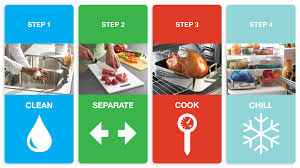
Wooden cutting boards are ideal for vegetables and meats because they are gentle on knife edges and naturally antibacterial if maintained properly. Plastic cutting boards are convenient for raw meat and easy to sanitize, making them a practical complement to wooden boards. By using separate boards for meats and produce, you reduce the risk of cross-contamination—a crucial habit for beginners learning kitchen safety.
Cookware: Pots, Pans, and Versatility
A beginner-friendly kitchen doesn’t need dozens of specialized pots and pans. Instead, focusing on a few versatile pieces will cover most cooking methods.
Nonstick Skillet
A nonstick skillet is perfect for beginners because it simplifies cooking eggs, pancakes, and delicate fish while reducing the need for excessive oil. I found that starting with a medium-sized 10-inch nonstick skillet allowed me to cook a wide variety of dishes efficiently. Over time, I expanded to larger sizes as my skills and cooking ambitions grew.
Stainless Steel Skillet
While nonstick pans are convenient, a stainless steel skillet is essential for searing meat and creating flavorful sauces. Stainless steel allows better browning, which enhances taste and texture. My advice for beginners is to learn how to use stainless steel properly, as overheating or not preheating can lead to sticking.
Saucepan
A medium-sized saucepan (around 2 to 3 quarts) is incredibly versatile. It’s ideal for boiling pasta, cooking rice, simmering sauces, and making soups. A lid is essential for controlling moisture and speeding up cooking times.
Stockpot
For soups, stews, and pasta for larger meals, a 6 to 8-quart stockpot is invaluable. Early in my cooking journey, I underestimated the importance of a large pot. Once I started using a high-quality stockpot, meal prep and batch cooking became much easier.
Utensils and Gadgets Every Beginner Should Have
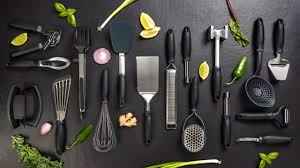
While cookware and knives form the backbone of a functional kitchen, utensils and gadgets make cooking more manageable. Investing in a few quality items goes a long way.
Spatulas and Wooden Spoons
A flexible silicone spatula is perfect for scraping bowls, stirring sauces, and flipping delicate foods without damaging nonstick surfaces. Wooden spoons are ideal for stirring hearty soups and sauces in stainless steel or cast iron cookware. Over the years, I’ve found that having both types available ensures I’m prepared for almost any task.
Tongs
Tongs are essential for flipping meat, serving pasta, and handling hot foods safely. A spring-action pair with a locking mechanism is ideal for storage and versatility.
Measuring Cups and Spoons
Accurate measurement is crucial, especially when baking. I recommend investing in both dry measuring cups and liquid measuring cups. This ensures precision and consistency while avoiding common beginner mistakes.
Mixing Bowls
A set of nesting mixing bowls in various sizes is surprisingly versatile. I use them for marinating proteins, tossing salads, whisking eggs, and mixing batters. Stainless steel, glass, or BPA-free plastic options are all practical choices depending on your preference.
Colander
A sturdy colander is essential for draining pasta, rinsing vegetables, and washing grains. I quickly realized that a durable colander saves time and keeps the kitchen organized.
Baking Essentials for Beginners
Even if you’re focused on cooking, basic baking tools are incredibly useful. Simple items like a whisk, rolling pin, and baking sheets allow you to expand your cooking repertoire without cluttering your kitchen.
Baking Sheets
A couple of rimmed baking sheets are indispensable for roasting vegetables, baking cookies, and reheating leftovers. Investing in heavy-duty, warp-resistant sheets ensures even cooking and durability.
Whisk
A whisk is crucial for mixing eggs, emulsifying dressings, and combining dry and wet ingredients. I’ve found that a balloon whisk works well for most tasks, while a smaller whisk is handy for delicate sauces.
Oven-Safe Dishes
Casserole dishes, ramekins, and loaf pans provide versatility for baking and roasting. When I began cooking regularly, having a few high-quality oven-safe dishes allowed me to make everything from baked pasta to homemade bread with ease.
Storage and Organization Tools
A functional kitchen isn’t just about cooking—it’s also about keeping ingredients and tools organized. Proper storage ensures freshness and efficiency, especially for beginners still learning their way around the kitchen.
Food Storage Containers
A set of airtight containers in various sizes is essential for storing leftovers, prepped ingredients, and pantry staples. I prefer glass containers because they’re durable, microwave-safe, and don’t retain odors.
Spice Rack
A well-organized spice rack makes seasoning meals easier and encourages experimentation with flavors. I started with the basics—salt, pepper, paprika, garlic powder, and dried herbs—and gradually expanded as I became more confident in my cooking.
Knife Sharpener
Maintaining knife sharpness is crucial for safety and efficiency. Even the best knives dull over time, and a simple sharpening tool ensures your knives stay functional for years.
Optional Tools That Enhance Cooking but Aren’t Mandatory
Once you’ve mastered the basics, a few optional tools can elevate your cooking experience. While not strictly necessary for beginners, these items can expand your capabilities:
- Immersion Blender: Great for soups, sauces, and smoothies without transferring to a countertop blender.
- Digital Thermometer: Ensures meat and poultry are cooked to safe temperatures.
- Slow Cooker or Instant Pot: Perfect for batch cooking and hands-off meals.
- Mandoline Slicer: Speeds up vegetable prep and creates uniform slices.
These tools are investments in efficiency and versatility, helping beginners gain confidence while exploring more advanced recipes.
How to Prioritize When Buying Kitchen Tools
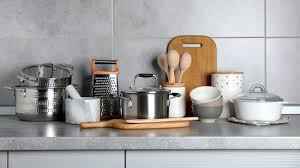
When starting out, it’s easy to get overwhelmed by the sheer number of gadgets and utensils available. My advice is to focus on quality over quantity. A few high-quality, versatile tools will serve you far better than a cluttered kitchen filled with cheap gadgets. Start with the essentials: a chef’s knife, cutting board, nonstick skillet, saucepan, spatula, and measuring tools. Once you’re comfortable, gradually add specialized items based on your cooking habits and goals.
I also recommend avoiding impulse purchases. Ask yourself whether a tool will get regular use or if it’s a “nice-to-have.” This approach saves money, space, and reduces decision fatigue when cooking.
Final Thoughts on Essential Kitchen Tools for Beginners
Building a functional kitchen doesn’t require purchasing every gadget on the market. By focusing on the essential kitchen tools for beginners, you create a solid foundation that allows you to cook safely, efficiently, and confidently. From knives and cutting boards to cookware, utensils, and storage solutions, each item plays a role in simplifying your cooking process and enhancing your culinary experience.
When I reflect on my journey as a home cook, I realize that having the right tools transformed not just my efficiency but my enjoyment of cooking. The frustration of struggling with poorly made equipment disappeared, replaced by the satisfaction of preparing meals with ease and confidence. With the right foundation, beginners can focus on what truly matters: learning techniques, exploring flavors, and enjoying the process of creating delicious meals.
Invest thoughtfully, start with versatile essentials, and gradually expand your toolkit as your skills grow. With these essential kitchen tools for beginners, you’ll be well on your way to creating a home kitchen that inspires confidence, creativity, and culinary success.