One-Pot Meals for Busy Families: Stress-Free Dinners That Everyone Will Love
As a parent or caregiver, there’s a very real daily struggle: balancing work, family, and the never-ending task of feeding everyone. I’ve spent countless evenings staring at the fridge, wondering how I could possibly make a healthy, satisfying meal without spending two hours in the kitchen. That’s when I discovered the magic of one-pot meals for busy families. These meals aren’t just convenient—they’re practical, versatile, and actually enjoyable to cook.
In this guide, I’m sharing my personal experience, expert insights, and practical tips on how to make one-pot meals a cornerstone of your family’s weekly routine. From weeknight dinners to meal prep for the week ahead, these recipes and strategies will save you time, reduce stress, and ensure your family eats well, even on the busiest days.
Why One-Pot Meals Are Essential for Busy Families
One-pot meals have transformed the way I approach family dinners. The idea is simple: everything—protein, vegetables, grains, and sauces—cooks together in a single pot or pan. The benefits are immediately obvious. Not only do you save on cleanup, but these meals are often more flavorful because the ingredients cook together, allowing flavors to meld naturally.
From a nutritional standpoint, one-pot meals make it easier to pack in vegetables and lean proteins without overcomplicating the process. This is crucial when you’re trying to balance health with the reality of a hectic schedule. For families, the biggest win is consistency. Having a handful of go-to one-pot dinner recipes means you always have something reliable to serve, which reduces stress and prevents last-minute takeout.
How to Build Balanced One-Pot Meals
A well-rounded one-pot meal should include protein, vegetables, and a source of complex carbohydrates. Protein provides the building blocks for energy and muscle repair, while fiber from vegetables and grains helps everyone feel full and satisfied.
From my experience, one of the keys to success is meal planning. Before grocery shopping, I outline three to four one-pot meals for busy families that will cover the week. This makes shopping easier and reduces the temptation to rely on processed foods. I’ve learned that when you plan with balance in mind, one-pot meals aren’t just convenient—they’re complete, nutritious, and even kid-friendly.

One-Pot Meals for Busy Families That Actually Work
Chicken and Vegetable Rice Skillet
This is a classic that my family never tires of. The secret lies in layering flavors. I start by sautéing onions, garlic, and bell peppers, then add diced chicken breast and brown it lightly. Adding rice directly to the pot along with chicken broth allows it to absorb all the flavors, and finishing with fresh herbs makes it taste gourmet without any extra effort.
The beauty of this dish is its adaptability. You can swap chicken for turkey or add seasonal vegetables, making it a year-round favorite. It’s a perfect example of a one-pot dinner that’s healthy, filling, and easy to customize.
One-Pot Pasta Primavera
For nights when I want something lighter but still satisfying, pasta primavera is my go-to. The pasta cooks in the same pot as a medley of vegetables—zucchini, cherry tomatoes, peas, and carrots—and I finish it with a touch of olive oil, Parmesan, and fresh basil.
From an efficiency standpoint, this meal is brilliant. Minimal cleanup, ready in under 30 minutes, and the vegetables retain their bright colors and flavors. It’s an easy way to sneak extra veggies into the family diet without arguments at the dinner table.
Beef and Potato Stew
There are nights when nothing satisfies quite like a hearty stew. Using a slow cooker or a Dutch oven, I combine lean beef, diced potatoes, carrots, and onions with broth and seasonings. Cooking everything together ensures that the meat is tender and the potatoes absorb rich flavors.
Stews like this are excellent for meal prep because they taste even better the next day, allowing you to cook once and feed the family multiple times. The best part? Minimal cleanup for you.
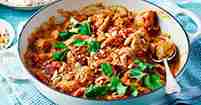
One-Pot Lentil and Vegetable Curry
For plant-based nights, a lentil curry is my go-to. Lentils cook in the same pot with coconut milk, tomatoes, and curry spices, creating a creamy, satisfying dish without dairy. I often serve it over rice or with warm naan, but it’s just as good on its own.
From experience, families are often surprised by how flavorful lentils can be when prepared in one-pot recipes. Pairing them with vibrant spices ensures that everyone enjoys the meal—even picky eaters.
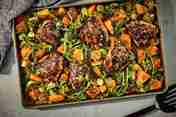
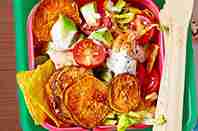
Sheet-Pan Fajita Bowls
Though technically a “sheet pan” method, it counts as a one-pot approach in spirit because everything cooks together. I layer sliced chicken, bell peppers, onions, and spices on a single pan and roast them in the oven. Once cooked, I serve them over brown rice or quinoa for a balanced dinner.
This approach is a lifesaver during busy weeks. It requires little active cooking, and the cleanup is minimal. Plus, the fajita bowls are flexible—you can switch proteins or veggies depending on what’s on hand.
Tips for Making One-Pot Meals Kid-Friendly
Cooking for kids adds an extra layer of complexity, but it’s not impossible. I’ve learned that one of the keys to success is balancing flavors and textures. Even the pickiest eaters tend to enjoy meals where vegetables are subtly incorporated with familiar proteins like chicken or beef.
Presentation also matters. A sprinkle of cheese or a colorful garnish can make a huge difference. And involving kids in the cooking process—even letting them add herbs or stir the pot—makes them more excited to eat the finished dish.
How to Save Time With One-Pot Meals
The main appeal of one-pot meals for busy families is efficiency. Here are some strategies that have worked for me:
First, prep ingredients ahead of time. Chopping vegetables and portioning proteins in advance means you can assemble the meal in minutes. Second, use versatile proteins like chicken, beef, or lentils that can be adapted to multiple recipes. Third, consider batch cooking. Many one-pot dishes taste even better the next day, allowing you to cook once and eat twice.
Finally, investing in a quality Dutch oven, slow cooker, or large sauté pan makes a difference. The right tools reduce cooking time and make cleanup faster, which is crucial when you’re juggling work, homework, and extracurricular activities.
Nutritional Considerations for One-Pot Meals
One-pot meals don’t have to compromise on nutrition. The goal is to include a balance of macronutrients—protein, carbs, and fats—while maximizing micronutrients from vegetables. For example, adding leafy greens, bell peppers, and tomatoes not only boosts flavor but also provides vitamins A and C, potassium, and fiber.
Protein is essential for energy and satiety, especially for growing kids. Lean meats, legumes, and tofu all work well in one-pot meals, providing essential amino acids for healthy growth and maintenance. Incorporating whole grains like brown rice, quinoa, or barley adds fiber and keeps everyone fuller longer.
One-Pot Meals That Double as Meal Prep
One of the most overlooked benefits of one-pot meals is their potential for meal prep. A single cooking session can produce lunches and dinners for the week. For example, a large batch of chicken and vegetable rice can serve as dinner tonight and lunch the next day.
I’ve found that labeling containers and portioning meals immediately after cooking prevents last-minute decision fatigue. It also encourages healthier eating because everything is pre-portioned and ready to go.
Common Mistakes to Avoid With One-Pot Meals
While one-pot meals are convenient, they’re not without potential pitfalls. One mistake I see often is overcooking vegetables. While it’s tempting to just throw everything in the pot, different ingredients have different cooking times. Adding delicate vegetables at the end ensures they retain flavor, texture, and nutrients.
Another common error is under-seasoning. One-pot meals can be bland if you don’t layer flavors. Using herbs, spices, and acid like lemon juice or vinegar helps elevate the dish without extra calories. Finally, avoid relying too heavily on processed ingredients. Whole foods make a significant difference in both taste and nutrition.

The Family-Friendly Benefits of One-Pot Meals
Beyond convenience and nutrition, one-pot meals bring families together. The shared experience of cooking and eating a meal prepared in one pot fosters connection and teaches children valuable skills. I’ve found that families who cook together are more likely to try new foods and develop healthy eating habits.
Additionally, these meals reduce mealtime stress. Knowing that a nutritious, delicious meal is ready in under an hour eliminates the chaos that often surrounds dinner time in busy households.
Final Thoughts on One-Pot Meals for Busy Families
Over the years, I’ve learned that the secret to feeding a busy family isn’t complicated gadgets or expensive ingredients. It’s about efficiency, balance, and consistency. One-pot meals for busy families offer a practical solution that saves time, reduces stress, and ensures everyone eats well.
Whether it’s a quick weeknight pasta, a hearty stew, or a flavorful curry, these meals make family dinners manageable and enjoyable. By planning ahead, using versatile ingredients, and focusing on flavor and nutrition, one-pot meals can transform the way your family eats.
Start small—pick one or two recipes this week—and gradually build a repertoire. Before long, you’ll have a collection of go-to one-pot meals that your family loves, your evenings will be less stressful, and you’ll reclaim valuable time without sacrificing health or flavor.