Budget-Friendly Family Meals: A Comprehensive Guide to Delicious, Affordable, and Stress-Free Cooking
Feeding a family can feel overwhelming, especially when you’re trying to balance nutrition, taste, and cost. I know the struggle firsthand—there were times when my weekly grocery bill felt like it was spiraling out of control, and mealtime became more about convenience than quality. Over the years, I’ve learned that with planning, strategy, and creativity, it’s possible to serve satisfying meals every night without breaking the bank. In this guide, I’ll share my insights on budget-friendly family meals, offering practical tips, recipes, and strategies that combine affordability with flavor and nutrition.
This guide is built on real-world experience and research, aimed at helping families eat well, save money, and reduce mealtime stress. From breakfast to dinner, snacks, and even leftovers, these ideas focus on efficiency, taste, and value.
Why Budget-Friendly Family Meals Matter
When you think about “budget-friendly meals,” it’s easy to assume that cheap equals boring or unhealthy. I used to feel that way too. However, I’ve discovered that budget-friendly cooking is more about strategy than compromise. Choosing the right ingredients, shopping smart, and using simple cooking techniques can result in meals that are both affordable and satisfying.
Budget-friendly meals aren’t just about stretching dollars—they also teach families important habits around food planning and healthy eating. By focusing on affordable ingredients, you can prioritize nutrition while saving time and money. Over time, this approach reduces food waste, helps build better grocery habits, and encourages children to appreciate home-cooked meals over fast food or processed options.
Key Principles for Creating Budget-Friendly Family Meals
There are a few principles I follow to make meals both economical and delicious.
First, plan your meals ahead of time. A well-thought-out meal plan prevents last-minute takeout or impulse purchases. On weekends, I sit down with my family and map out dinners for the week, making sure to include meals that use overlapping ingredients. This reduces waste and ensures every grocery dollar is maximized.
Second, prioritize versatile ingredients. Foods like rice, beans, pasta, frozen vegetables, and eggs can be transformed into countless dishes. By buying staples in bulk, you can create a variety of meals without constantly spending extra at the store.
Third, embrace leftovers creatively. Leftovers aren’t just “yesterday’s dinner.” They can become new meals, like using roasted chicken in tacos or turning cooked vegetables into frittatas. I’ve found that viewing leftovers as ingredients rather than leftovers transforms your approach to budget-friendly cooking.
Budget-Friendly Breakfast Ideas for the Whole Family
Breakfast can easily become expensive if you rely on pre-packaged or processed options. Instead, with a few simple strategies, you can create hearty, nutritious breakfasts that don’t strain your budget.
One of my go-to solutions is oatmeal. Not the instant packets with added sugar, but classic rolled oats cooked with milk or water. By adding seasonal fruit, a sprinkle of nuts, or a dollop of yogurt, oatmeal becomes a filling and cost-effective breakfast. For families, doubling a batch ensures you have quick breakfasts ready for multiple days.
Egg-based breakfasts are another excellent choice. Scrambled eggs, omelets, or frittatas allow you to incorporate leftover vegetables, cheeses, or even small amounts of meat. Eggs are inexpensive, high in protein, and incredibly versatile. For example, a simple vegetable frittata with spinach, bell peppers, and onions can feed a family of four for just a few dollars.
Even pancakes or waffles can be made budget-friendly by using basic pantry ingredients. Whole wheat flour adds nutrition, and you can use mashed bananas or applesauce to reduce sugar and cost. Making a larger batch and freezing leftovers ensures quick breakfasts for the week.

Budget-Friendly Lunch Ideas
Lunches don’t have to be complicated or expensive, even when feeding multiple people. One of my favorite strategies is building meals around high-value proteins like beans, lentils, eggs, and canned tuna. These items are inexpensive, widely available, and provide excellent nutrition.
For example, a simple lentil soup can be made with onions, carrots, celery, and spices. By adding a side of homemade bread or rice, you can feed an entire family for very little money. Similarly, a tuna salad sandwich with whole grain bread and a side of raw vegetables creates a balanced, low-cost meal.
Leftover dinners often make the best lunches. Roasted chicken from Sunday night can be shredded for sandwiches, tacos, or mixed into salads during the week. This approach minimizes waste while providing variety without extra expense.
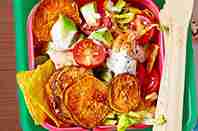
Another budget-friendly lunch idea I rely on is grain bowls. Cooked rice or quinoa, topped with beans, vegetables, and a simple sauce, creates a nutritious and customizable meal. Not only does this stretch ingredients, but it also allows each family member to personalize their dish according to taste.
Budget-Friendly Dinner Recipes
Dinner is usually the most challenging meal for families on a budget. However, with a little planning, you can serve flavorful and filling meals without overspending.
Pasta dishes are excellent budget-friendly options. Whole wheat or regular pasta paired with a simple tomato sauce, seasonal vegetables, and a sprinkle of cheese can satisfy even picky eaters. Adding beans or lentils to pasta sauces increases protein content while keeping costs low.
Stir-fries are another versatile choice. Using frozen vegetables, inexpensive cuts of chicken, or tofu, you can create a quick, balanced dinner. I’ve found that serving stir-fry over rice or noodles stretches the meal further and keeps everyone full.
Casseroles and baked dishes often provide great value for money. For example, a baked pasta casserole with cheese, vegetables, and ground turkey or chicken can feed a family for several days, and the leftovers often taste even better the next day.
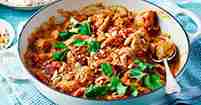
One-pot meals like chili or stew are also excellent budget-friendly choices. They allow you to incorporate affordable ingredients like beans, potatoes, and inexpensive meats while maximizing flavor. By cooking in bulk, you can freeze portions for future meals, which saves time and reduces costs.
Budget-Friendly Snack and Side Ideas
Snacks can be surprisingly expensive if you buy them pre-packaged. I’ve learned that making snacks at home not only saves money but also improves quality. For example, popcorn, roasted chickpeas, or sliced vegetables with homemade hummus are all inexpensive and healthier than store-bought alternatives.
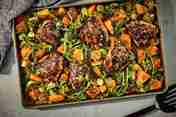
Side dishes don’t need to be elaborate to add value to a meal. Simple roasted vegetables, steamed greens, or a side salad can complement dinners and increase nutrient density without adding significant cost. Using seasonal produce ensures maximum affordability and freshness.
Shopping Tips for Budget-Friendly Family Meals
Shopping wisely is key to keeping costs low while maintaining quality. I’ve found several strategies that consistently reduce expenses:
Buy in bulk: Staples like rice, pasta, beans, and oats are cheaper when purchased in larger quantities. Storing them properly ensures they stay fresh for months.
Shop seasonal produce: Seasonal fruits and vegetables are generally more affordable and taste better than out-of-season imports.
Use store brands: Many store-brand items are just as good as name brands, often at a fraction of the price.
Plan meals around sales: Weekly grocery store flyers and digital coupons can help you plan meals around discounted items, ensuring maximum value.
Avoid waste: Freeze leftover ingredients, repurpose leftovers, and compost scraps when possible. Efficient use of food directly reduces grocery expenses.
Time-Saving Tips for Budget-Friendly Meals
Saving money is only part of the equation—time is also precious for families. Over the years, I’ve learned that meal prep and batch cooking are invaluable. Preparing ingredients ahead of time, such as washing and chopping vegetables or cooking grains in bulk, reduces stress during the week.
Using simple kitchen tools, like slow cookers or air fryers, can also make budget-friendly meals faster and easier. For example, a slow-cooked stew can cook unattended while you handle other tasks, feeding the family with minimal effort.
Common Challenges and How to Overcome Them
Even with planning, challenges arise. Picky eaters, limited pantry space, or unexpected expenses can complicate budget-friendly cooking. Overcoming these challenges requires flexibility and creativity.
For picky eaters, I’ve found that involving children in meal preparation increases their willingness to try new dishes. Using familiar ingredients in slightly different ways, such as incorporating vegetables into pasta sauces or muffins, also helps.
Limited pantry space can be addressed by prioritizing versatile ingredients that serve multiple meals. Rotating fresh produce weekly and using freezer storage can maximize flexibility.
Unexpected expenses can be mitigated by keeping a small reserve of inexpensive staples, like rice, beans, canned vegetables, and frozen meat, allowing you to create balanced meals even when your weekly shopping budget is tight.

Long-Term Benefits of Budget-Friendly Family Meals
Focusing on budget-friendly family meals has long-term benefits beyond cost savings. Families eat healthier, reduce waste, and develop strong cooking and meal-planning skills. Children exposed to diverse, affordable meals are more likely to adopt healthy eating habits as adults.
On a personal level, planning and preparing budget-friendly meals reduces stress around mealtimes and creates opportunities for family bonding. Cooking together fosters communication, teamwork, and shared responsibility, which strengthens family relationships.
Conclusion
Creating delicious, nutritious, and affordable meals for your family doesn’t have to be overwhelming. By focusing on planning, using versatile ingredients, embracing leftovers, and shopping strategically, you can provide satisfying meals every day without overspending.
From breakfast to dinner, snacks, and sides, the strategies and recipes outlined here demonstrate that budget-friendly family meals are achievable and enjoyable. Over time, these practices save money, reduce stress, and promote healthier eating habits for the whole family.
Remember: the goal isn’t perfection—it’s consistency. Even small adjustments, like planning meals ahead, batch cooking, and using seasonal produce, compound into significant savings and improved nutrition. With experience and a little creativity, feeding your family affordably can become one of the most rewarding aspects of daily life.