
Intermittent Fasting: Does It Really Work?
Intermittent fasting has gone from a niche health experiment to one of the most talked-about nutrition strategies in the world. Scroll through any fitness forum or wellness blog, and you’ll see bold claims: rapid fat loss, improved metabolism, better focus, even longer lifespan. But behind the hype, there’s a more important question that deserves a thoughtful, evidence-based answer—intermittent fasting: does it really work?
Having explored intermittent fasting both personally and through years of studying nutrition trends, I’ve seen people thrive on it—and others struggle in ways they didn’t expect. The truth sits somewhere in the middle, and understanding that nuance is what separates a sustainable approach from a short-lived experiment.
What Is Intermittent Fasting?
At its core, intermittent fasting isn’t about what you eat—it’s about when you eat. Instead of focusing on food groups or calorie counting alone, this approach structures eating into specific time windows.
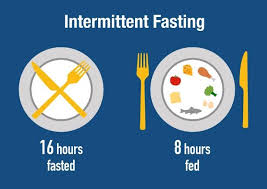
The most common method is the 16:8 approach, where you fast for 16 hours and eat within an 8-hour window. Other variations include the 5:2 method, where calorie intake is reduced on two non-consecutive days per week, and alternate-day fasting, which is more aggressive and often harder to maintain.
What makes intermittent fasting appealing is its simplicity. There are no complicated meal plans or forbidden foods. For many people, it feels less restrictive than traditional dieting because it removes the need to constantly think about food.
But simplicity doesn’t always mean effectiveness, which brings us back to the central question.

Intermittent Fasting: Does It Really Work for Weight Loss?
When people ask “intermittent fasting: does it really work,” they’re usually thinking about weight loss. The short answer is yes—but not for the reasons many assume.
Fasting helps reduce overall calorie intake. By limiting your eating window, you naturally have fewer opportunities to consume calories. For some, this creates a calorie deficit without the mental fatigue of tracking every bite.
There’s also a hormonal component. During fasting periods, insulin levels drop, which encourages the body to access stored fat for energy. This is often cited as a fat-burning advantage, although in practical terms, the calorie deficit still plays the dominant role.
In my own experience and from observing others, intermittent fasting works best for people who struggle with late-night snacking or mindless eating. Simply cutting off food after a certain hour can eliminate hundreds of unnecessary calories.
However, it’s not a magic solution. If someone overeats during their eating window, they can easily negate any calorie deficit. I’ve seen people adopt intermittent fasting and gain weight because they treated their eating window like an all-you-can-eat period.
The Science Behind Intermittent Fasting
To understand whether intermittent fasting truly works, it helps to look beyond anecdotes and into research. Studies have shown that intermittent fasting can be as effective as traditional calorie restriction for weight loss, with similar improvements in metabolic health markers such as blood sugar and cholesterol levels.
One area where intermittent fasting may have a unique advantage is insulin sensitivity. By giving the body extended breaks from food, it can improve how efficiently cells respond to insulin, which is particularly beneficial for individuals at risk of type 2 diabetes.
There’s also growing interest in autophagy, a cellular “cleanup” process that occurs during fasting. While much of the evidence comes from animal studies, the idea is that fasting allows the body to repair and recycle damaged cells, potentially supporting longevity.
That said, it’s important not to overstate these benefits. Human research is still evolving, and many of the more dramatic claims about intermittent fasting are not yet fully supported by long-term data.
Intermittent Fasting: Does It Really Work for Health Beyond Weight Loss?
Weight loss often gets the spotlight, but intermittent fasting’s impact on overall health is just as important.
Many people report improved mental clarity during fasting periods. This may be linked to stable blood sugar levels and the production of ketones, which can serve as an alternative fuel source for the brain. Personally, I’ve noticed that mornings feel more focused when I delay my first meal, although this effect can vary widely from person to person.
There’s also evidence suggesting benefits for heart health. Some studies have found reductions in blood pressure, inflammation, and LDL cholesterol among those practicing intermittent fasting. These changes can contribute to a lower risk of cardiovascular disease over time.
However, it’s not universally beneficial. For some individuals, especially those with a history of disordered eating, fasting can create an unhealthy relationship with food. Others may experience fatigue, irritability, or difficulty concentrating, particularly in the early stages.
Who Benefits Most from Intermittent Fasting?
Intermittent fasting tends to work best for people who value structure but don’t want to micromanage their diet. If you prefer clear boundaries—like “I don’t eat after 7 p.m.”—this approach can feel liberating.
It’s also particularly effective for those with busy schedules. Skipping breakfast, for example, can simplify mornings and reduce decision fatigue. Many professionals find that it fits naturally into their routine without requiring major lifestyle changes.
On the other hand, highly active individuals or those with demanding training schedules may struggle. Fueling workouts and recovery becomes more complicated when eating windows are restricted.
From what I’ve seen, success with intermittent fasting often comes down to alignment with your lifestyle. If it feels like a constant battle, it’s probably not the right approach for you.
Common Mistakes That Undermine Results
One of the biggest misconceptions about intermittent fasting is that timing alone determines success. In reality, food quality still matters.
Eating highly processed foods during your eating window can limit the benefits of fasting. A diet high in refined sugars and unhealthy fats can counteract improvements in insulin sensitivity and overall health.
Another common mistake is underestimating hydration. During fasting periods, especially in the beginning, dehydration can lead to headaches and fatigue. Drinking enough water—and sometimes electrolytes—can make a noticeable difference.
There’s also a tendency to push fasting too far. Longer isn’t always better. Extending fasting periods excessively can lead to muscle loss, hormonal imbalances, and burnout. Sustainable consistency beats extreme approaches every time.
Intermittent Fasting and Metabolism
A persistent myth is that intermittent fasting “boosts metabolism” in a dramatic way. The reality is more nuanced.
Short-term fasting can slightly increase metabolic rate due to hormonal changes, particularly increases in norepinephrine. However, this effect is modest and not a primary driver of fat loss.
Over time, the body adapts to lower calorie intake regardless of whether it comes from fasting or traditional dieting. This is why long-term success depends more on maintaining a sustainable eating pattern than on any temporary metabolic boost.
Is Intermittent Fasting Safe?
For most healthy adults, intermittent fasting is generally safe when practiced responsibly. However, it’s not suitable for everyone.
Individuals who are pregnant, have a history of eating disorders, or manage certain medical conditions should approach fasting with caution and consult a healthcare professional. Even among healthy individuals, it’s important to listen to your body rather than rigidly adhering to a schedule.
In my experience, the people who do best with intermittent fasting treat it as a flexible framework rather than a strict rulebook. They adjust their eating windows based on their energy levels, social life, and overall well-being.
A Realistic Approach to Getting Started
If you’re curious about trying intermittent fasting, starting gradually can make the transition smoother. Instead of jumping straight into a 16-hour fast, you might begin by simply extending your overnight fasting period.
For example, finishing dinner earlier and delaying breakfast by an hour or two can ease your body into the rhythm. Over time, this can naturally evolve into a more structured fasting schedule if it feels right.
Pay attention to how you feel rather than focusing solely on the clock. Energy levels, mood, and performance are better indicators of success than rigid adherence to a specific fasting window.
Final Verdict: Intermittent Fasting—Does It Really Work?
So, intermittent fasting: does it really work? The honest answer is yes, but not in the way it’s often marketed.
It works because it helps many people create a calorie deficit, improve eating habits, and simplify their relationship with food. It may also offer additional metabolic and health benefits, although these are not guaranteed and vary between individuals.
At the same time, it’s not a shortcut or a universal solution. Its effectiveness depends on how well it fits your lifestyle, your food choices, and your ability to maintain it over the long term.
The most valuable perspective I can offer is this: intermittent fasting is a tool, not a requirement. If it helps you feel better, eat more mindfully, and achieve your health goals, it’s worth considering. If it adds stress or feels unsustainable, there are plenty of other effective approaches.
In the end, consistency, balance, and self-awareness matter far more than any single dietary strategy.

Related Posts

Keto Diet Plan for Beginners and Healthy Snacks Under 100 Calories: A Practical, Real-Life Guide

High-Protein Foods for Muscle Gain: A Practical, Experience-Driven Guide That Actually Delivers Results