Vegan Diet: Pros, Cons & Meal Plan
Vegan Diet: Pros, Cons & Meal Plan
The idea of adopting a vegan lifestyle has moved from a niche choice to a mainstream conversation over the past decade. Whether driven by health concerns, environmental awareness, or ethical reasons, more people are exploring what it really means to follow a plant-based diet. Having spent years studying nutrition trends and personally experimenting with plant-forward eating, I’ve seen both the transformative benefits and the practical challenges that come with going vegan. This guide is designed to go deeper than the surface-level advice you’ll often find online, giving you a clear, experience-backed understanding of the vegan diet: pros, cons, and a realistic meal plan you can actually follow.
What Is a Vegan Diet?
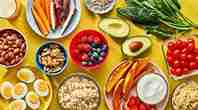
A vegan diet eliminates all animal-derived products, including meat, dairy, eggs, and even less obvious ingredients like gelatin or certain additives derived from animals. At its core, it focuses on whole plant foods such as vegetables, fruits, legumes, grains, nuts, and seeds. While that sounds straightforward, the way people implement a vegan diet can vary widely.
Some follow a whole-food, plant-based approach centered on minimally processed ingredients, while others lean heavily on vegan substitutes like plant-based meats, cheeses, and packaged snacks. From a nutritional standpoint, this distinction matters more than most beginners realize. A diet full of whole grains, lentils, leafy greens, and healthy fats will yield very different results compared to one built around processed vegan convenience foods.
Vegan Diet: Pros, Cons & Meal Plan – The Real Benefits
When people search for “vegan diet: pros, cons & meal plan,” they’re usually hoping for clarity beyond the hype. Let’s start with the benefits that are consistently supported by research and real-world experience.
One of the most compelling advantages of a vegan diet is its impact on heart health. Diets rich in plant foods tend to be lower in saturated fat and cholesterol, while being higher in fiber and antioxidants. This combination supports lower blood pressure, improved cholesterol levels, and a reduced risk of cardiovascular disease. I’ve personally seen individuals transition to a plant-based diet and experience measurable improvements in their lipid profiles within a few months.
Another major benefit is weight management. Plant-based diets are naturally less calorie-dense, meaning you can often eat satisfying portions while consuming fewer calories overall. This isn’t about restriction—it’s about satiety. Foods like beans, oats, and vegetables keep you fuller for longer, which can make maintaining a healthy weight feel less like a constant struggle.
There’s also growing evidence supporting improved gut health on a vegan diet. The high fiber intake feeds beneficial gut bacteria, which in turn influences digestion, immunity, and even mood. Many people report feeling lighter and more energized after transitioning, and while that’s partly anecdotal, it aligns with what we know about fiber and microbiome diversity.
Environmental sustainability is another often-cited advantage. Plant-based diets typically require fewer natural resources and produce fewer greenhouse gas emissions compared to animal-based diets. For those who care about climate impact, this can be a powerful motivator.
The Hidden Downsides of a Vegan Diet
Despite the benefits, a vegan diet is not automatically healthy, and this is where many people get misled. One of the biggest challenges is nutrient deficiency if the diet is not properly planned.
Vitamin B12 is the most well-known concern. Since it’s primarily found in animal products, vegans must rely on fortified foods or supplements. Ignoring this can lead to fatigue, nerve issues, and long-term health complications. In my experience, this is the most common mistake among beginners—they assume “plant-based” automatically equals “complete.”
Iron is another nutrient to watch. While plant foods like lentils and spinach contain iron, it’s not as easily absorbed as the iron found in animal products. Pairing these foods with vitamin C sources can help, but it requires awareness and intentional eating.
Protein is often misunderstood in vegan diets. It’s entirely possible to meet protein needs through plants, but it requires variety and adequate intake. Relying solely on low-protein foods like fruits and refined grains can leave you undernourished. Incorporating legumes, tofu, tempeh, and whole grains is essential.
Another less discussed downside is the social and practical challenge. Eating out, traveling, or attending social gatherings can become more complicated, especially in areas where vegan options are limited. This can lead to feelings of isolation or frustration if not managed with flexibility and planning.
Finally, there’s the issue of ultra-processed vegan foods. Just because something is labeled vegan doesn’t mean it’s healthy. Many plant-based snacks and meat alternatives are high in sodium, additives, and unhealthy fats. A diet built around these can undermine the very health benefits people seek.
Vegan Diet: Pros, Cons & Meal Plan – Nutritional Considerations
To truly succeed on a vegan diet, you need to approach it with a basic understanding of nutrition. This doesn’t mean obsessing over every gram, but it does mean being intentional.
Protein should come from a mix of sources like beans, lentils, chickpeas, tofu, tempeh, quinoa, and nuts. Diversity ensures you get a full range of amino acids. Healthy fats are equally important, especially omega-3 fatty acids, which can be found in flaxseeds, chia seeds, and walnuts.
Calcium intake is another factor often overlooked. Without dairy, you’ll need to rely on fortified plant milks, leafy greens, and calcium-set tofu. Vitamin D, depending on your location and sun exposure, may also require supplementation.
From personal observation, those who thrive on a vegan diet tend to follow a simple principle: focus on whole foods first, then use supplements and fortified foods strategically to fill in the gaps.
A Practical Vegan Meal Plan That Works
One of the biggest barriers to adopting a vegan lifestyle is not knowing what to actually eat. A sustainable meal plan should be simple, satisfying, and nutritionally balanced.
For breakfast, something like overnight oats with almond milk, chia seeds, berries, and a spoonful of peanut butter provides a solid mix of fiber, protein, and healthy fats. It’s quick to prepare and keeps you full for hours.
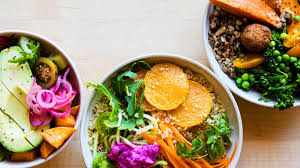
Lunch can be a hearty grain bowl built around quinoa or brown rice, topped with roasted vegetables, chickpeas, avocado, and a tahini-based dressing. This kind of meal is not only nutrient-dense but also highly customizable.
Dinner might include a lentil and vegetable curry served with whole-grain rice or flatbread. Lentils are a powerhouse of protein and iron, and when combined with spices and vegetables, they create a deeply satisfying meal.
Snacks can include fresh fruit, hummus with vegetables, or a handful of nuts. The key is to avoid relying too heavily on packaged vegan snacks and instead focus on whole, minimally processed options.
Hydration and mindful eating also play a role. Drinking enough water and paying attention to hunger cues can make a significant difference in how you feel on a plant-based diet.
Common Mistakes to Avoid on a Vegan Diet
Many people approach a vegan diet with enthusiasm but fall into predictable traps. One of the most common is under-eating. Because plant foods are less calorie-dense, you may need to eat larger portions to meet your energy needs. Ignoring this can lead to fatigue and cravings.
Another mistake is over-relying on processed substitutes. While vegan burgers and cheeses can be convenient, they shouldn’t form the foundation of your diet. Think of them as occasional additions rather than staples.
Lack of meal planning is another issue. Without a plan, it’s easy to end up with unbalanced meals or limited options, especially during busy weeks. Preparing a few core ingredients in advance can make a huge difference.
Finally, ignoring supplementation—especially for B12—is a mistake that can have serious consequences over time. This is not optional; it’s a necessary part of a well-rounded vegan diet.
Is a Vegan Diet Right for You?
The answer depends on your goals, preferences, and willingness to plan. A vegan diet can be incredibly beneficial when done correctly, but it’s not a one-size-fits-all solution. Some people thrive on it, while others may find it difficult to sustain long-term.
From what I’ve seen, the most successful approach is a balanced one. Even if you don’t go fully vegan, incorporating more plant-based meals into your routine can still offer significant health benefits. It doesn’t have to be all or nothing.
If you’re considering making the transition, start gradually. Replace a few meals each week with plant-based options and build from there. This allows your body and habits to adjust without feeling overwhelmed.
Final Thoughts on Vegan Diet: Pros, Cons & Meal Plan
The conversation around the vegan diet is often polarized, but the reality is more nuanced. It’s neither a miracle cure nor an inherently flawed approach. It’s a dietary pattern that, when executed thoughtfully, can support excellent health, align with ethical values, and contribute to environmental sustainability.
At the same time, it requires awareness, planning, and a willingness to learn. The benefits are real, but so are the challenges. Understanding both sides is what allows you to make an informed decision rather than following trends blindly.
If you take anything away from this guide, let it be this: a successful vegan diet is built on intention. Focus on whole foods, pay attention to key nutrients, and create a meal plan that fits your lifestyle. Done right, it can be one of the most rewarding dietary choices you make—not just for your health, but for the bigger picture as well.